
Kruger, by the numbers.
Nearly 20,000 square kilometres of Big Five country, a five-hour flight from most of the world's safari dreams and a four-hour drive from Johannesburg. The trick isn't getting here — it's choosing which Kruger you book.
12 months of the lowveld, plotted.
Average daily high (dot) against monthly rainfall (bar) at Skukuza, in the heart of the park. The dry trough from May to September is exactly why winter is the game-viewing season — no water anywhere but the rivers.
Five windows most brochures skip.
Dry winter. Grass is short, bush is thin and animals concentrate on the Sabie, Olifants and Letaba rivers and the remaining waterholes. Cold pre-dawn drives, perfect midday light, near-zero rain. Lodge rates and demand are highest.
Shoulder months. May still carries some green from the summer rains with dry-season visibility arriving; October is hot and dusty but sightings are excellent before the first storms break.
Hot, humid and thunderous. Impala lambing draws predators, migrant birds are in and rates soften — but thick bush and tall grass make spotting harder, and afternoon storms are routine.
Greater Kruger private reserves (Sabi Sand, Timbavati, Manyeleti, Klaserie) are unfenced with Kruger and allow off-road driving, night drives and walking. SANParks rest camps keep you on public roads with gate times. The same wildlife, two completely different experiences.
Top Sabi Sand and Timbavati lodges fill for the June–September window well ahead, and South African school holidays tighten availability further. Ant will tell you when a date is genuinely unavailable rather than upsell you.
The lodges and camps Ant actually books.
Greater Kruger private reserves for off-road, night-drive, walking-trail safari; SANParks rest camps when the brief is self-drive and budget-aware. Ant will tell you honestly which one your trip wants.
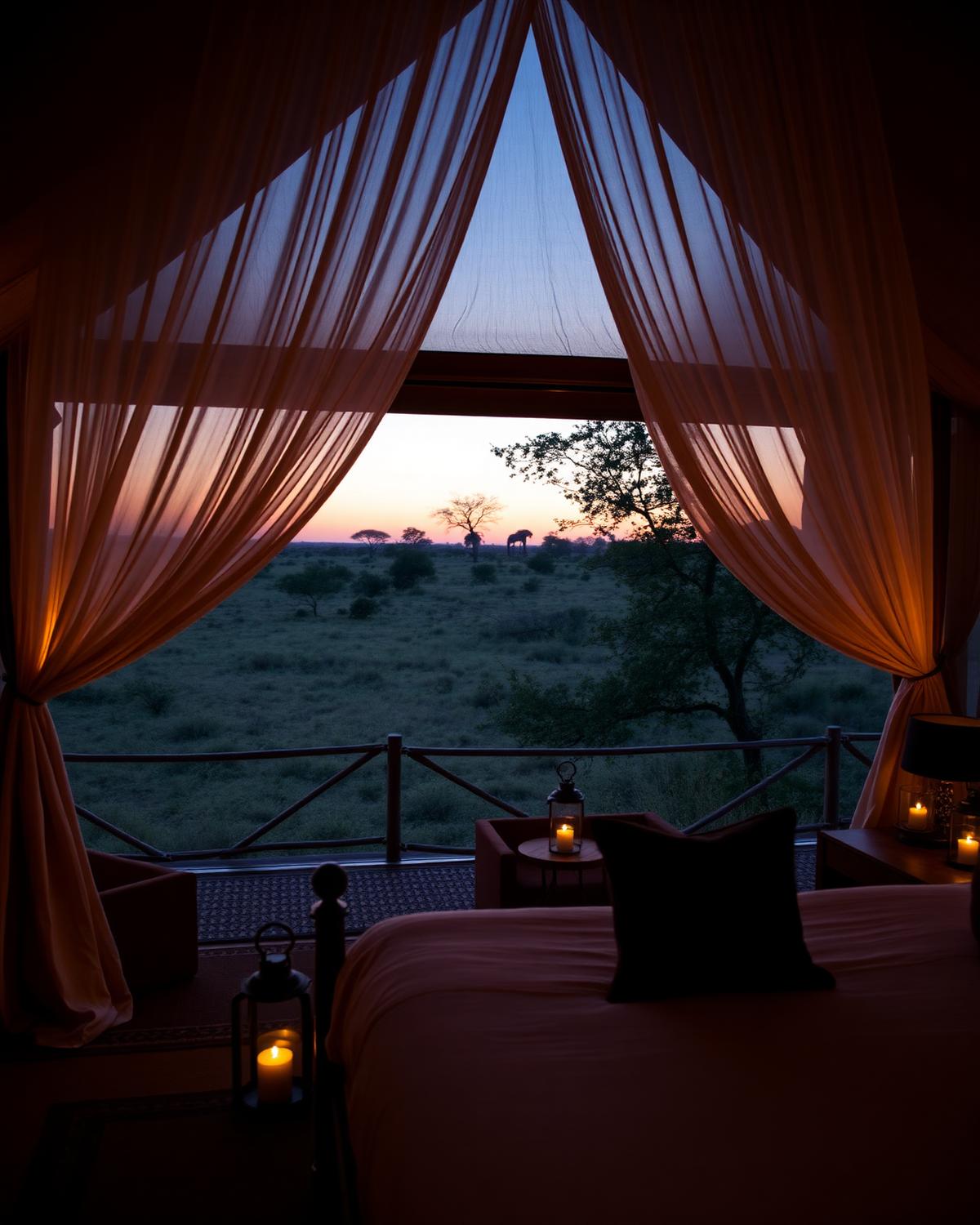
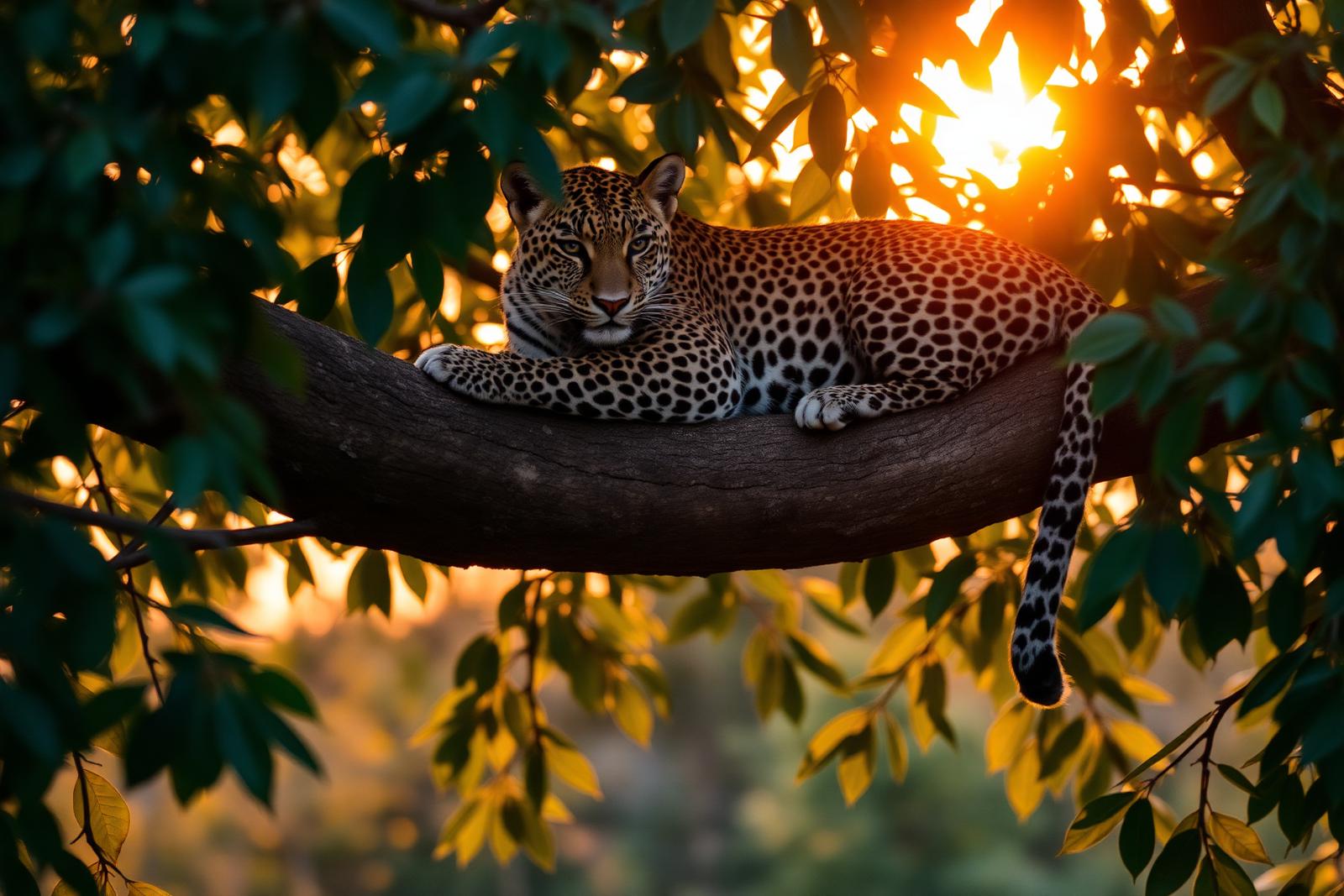
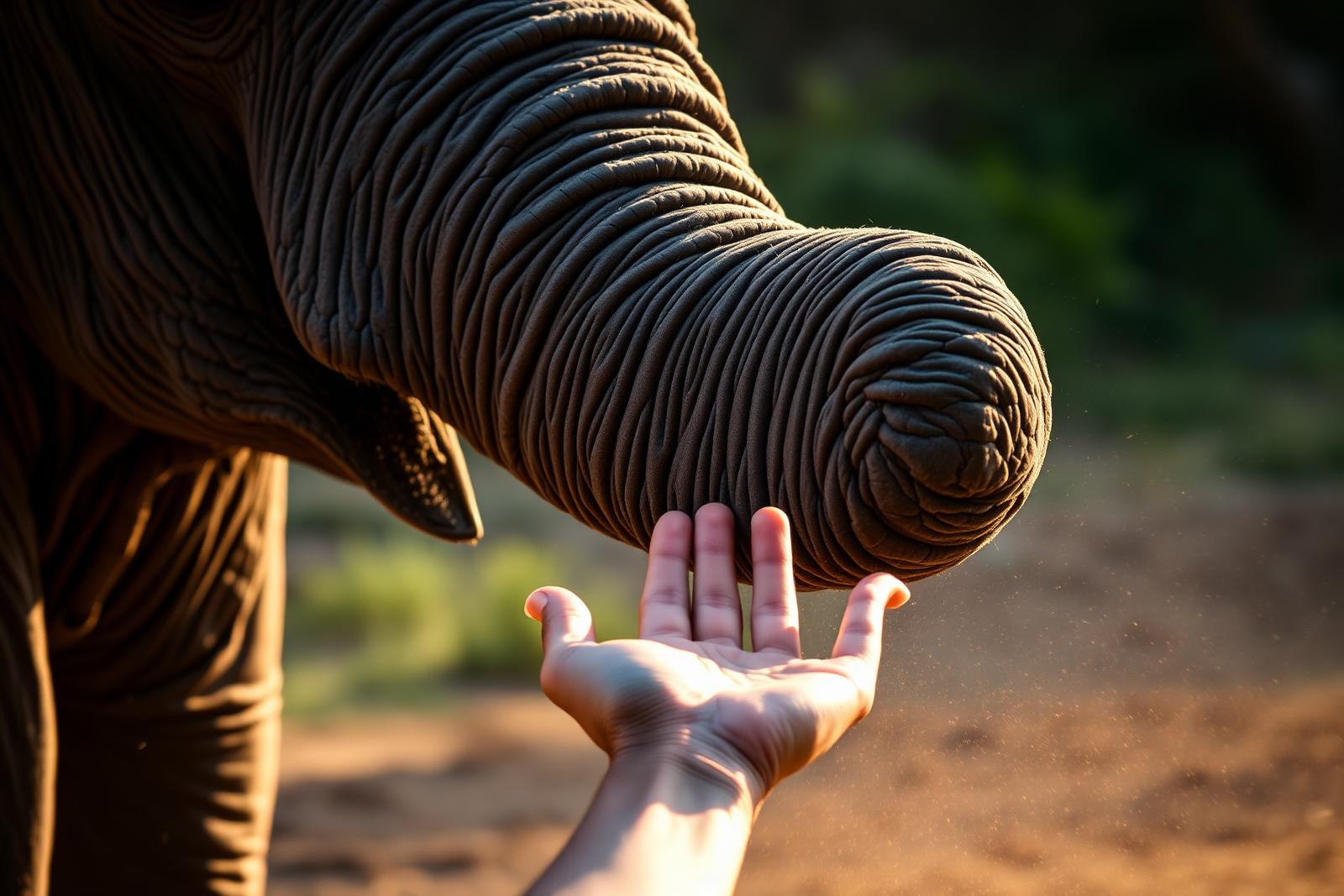
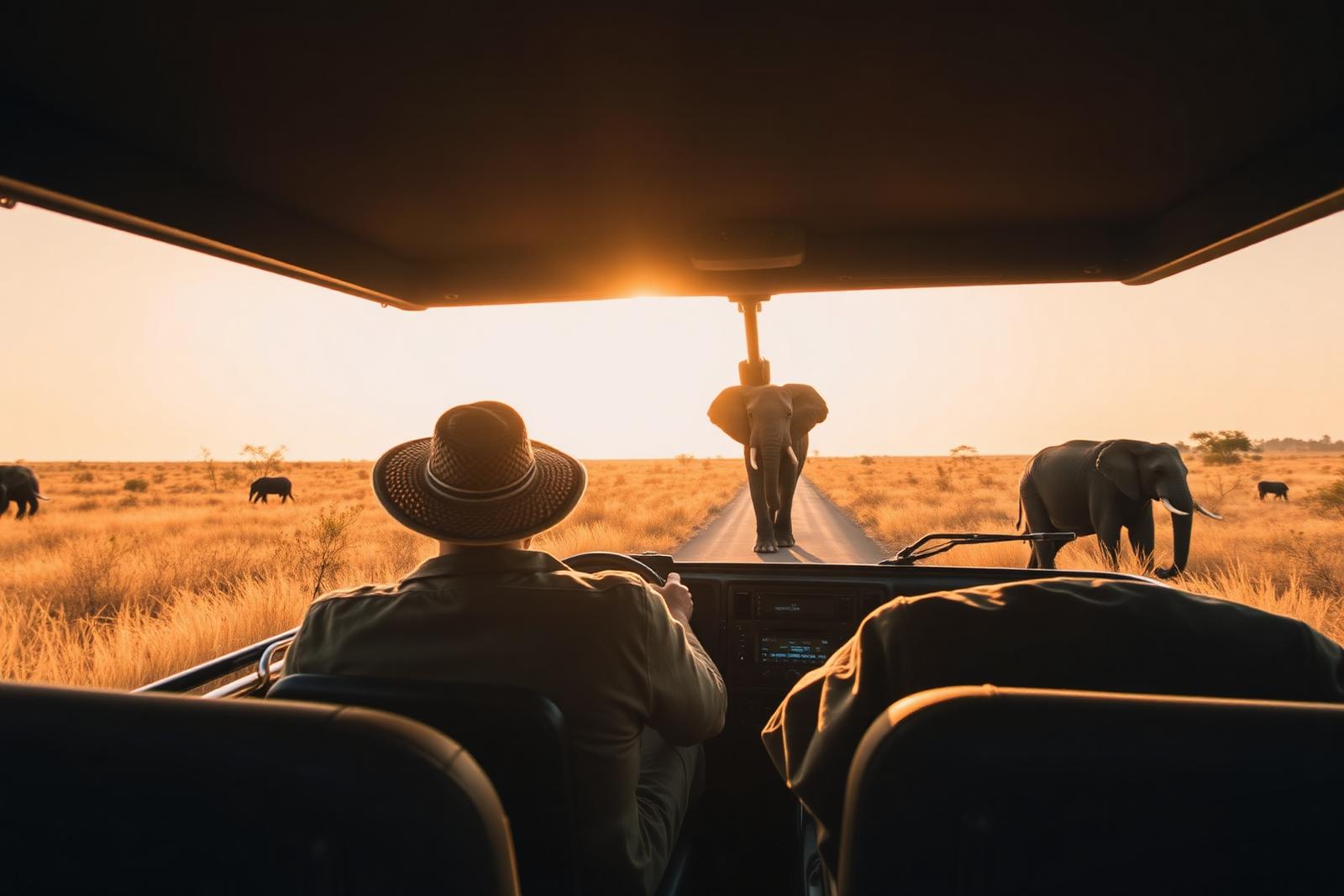
Kruger, as it actually looks.
Want Kruger built around you?
We don't run a fixed Kruger package — the right reserve, lodge and season depend entirely on your brief. Ant builds it custom, or pairs it with an existing South African itinerary.
Kruger National Park — straight answers
- When is the best time to visit Kruger National Park?
- Peak game viewing (June – September): Dry winter. Grass is short, bush is thin and animals concentrate on the Sabie, Olifants and Letaba rivers and the remaining waterholes. Cold pre-dawn drives, perfect midday light, near-zero rain. Lodge rates and demand are highest. Sweet-spot value (May & October): Shoulder months. May still carries some green from the summer rains with dry-season visibility arriving; October is hot and dusty but sightings are excellent before the first storms break. Green season (November – March): Hot, humid and thunderous. Impala lambing draws predators, migrant birds are in and rates soften — but thick bush and tall grass make spotting harder, and afternoon storms are routine. Private reserve vs. park (Any month): Greater Kruger private reserves (Sabi Sand, Timbavati, Manyeleti, Klaserie) are unfenced with Kruger and allow off-road driving, night drives and walking. SANParks rest camps keep you on public roads with gate times. The same wildlife, two completely different experiences. Book by (6–9 months ahead for winter): Top Sabi Sand and Timbavati lodges fill for the June–September window well ahead, and South African school holidays tighten availability further. Ant will tell you when a date is genuinely unavailable rather than upsell you.
- What is the weather like in Kruger National Park?
- Jan is the warmest month at about 33°C average high and Jun the coolest at about 26°C. Jan is the wettest month with roughly 90mm of rainfall, Jul the driest at about 8mm. Live current conditions are shown on this page.
- Where should you stay in Kruger National Park?
- AskAnt works with a short list rather than a directory: Singita Ebony Lodge (12 suites · Sabi Sand · river frontage, Singita service standard); Londolozi (Five camps · Sabi Sand · founding family of South African leopard viewing); MalaMala Game Reserve (Sabi Sand · longest Kruger boundary of any private reserve); Lion Sands (Sabi Sand · river lodges plus open-air treehouse sleep-outs); &Beyond Ngala (Timbavati · first private concession granted inside a national park); Cheetah Plains (Sabi Sand · all-electric game-viewing vehicles, private-villa model).
- What should you know about Kruger National Park before booking?
- ~19,485 km² Size of Kruger National Park — roughly the size of Wales — SANParks 147 Mammal species recorded in Kruger, including all of the Big Five — SANParks 500+ Bird species recorded inside the park — SANParks Malaria area Low-risk in the dry winter months; prophylaxis still advised — NICD South Africa
- Can AskAnt book Kruger National Park as a set itinerary?
- There is no published set journey for Kruger National Park yet, so it runs as a custom brief: Ant shapes the route from the data on this page and a human specialist prices and confirms it.